A decade ago, most of us judged our health by how we felt. Did we wake refreshed? Were we energetic during the day? Were we sleeping well and coping with life’s demands?
Today, many people begin the day by checking a dashboard.
Resting heart rate. Heart rate variability. Sleep score. REM sleep. Readiness score. VO₂ max. Recovery status.
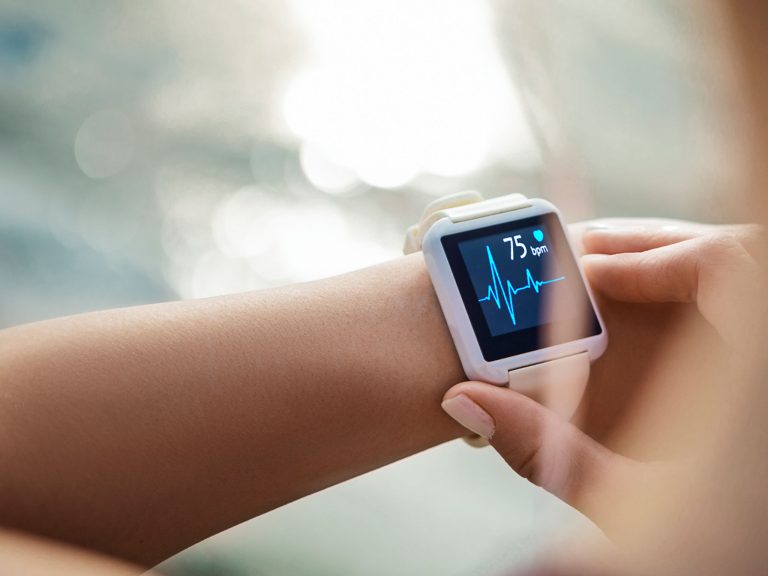
Wearable health devices have transformed our ability to monitor our health. Devices such as the Oura Ring, WHOOP and Apple Watch provide a continuous stream of biometric information, often accompanied by monthly subscription services that analyse our data and offer recommendations.
What began as a niche interest among elite athletes has rapidly entered the mainstream. Increasingly, executives, entrepreneurs and business leaders are using wearable devices in the pursuit of high performance. The goal is simple: optimise recovery, improve decision-making, maintain energy and perform at their best for longer.
There is no doubt that these technologies can be valuable.
Walk into any leadership conference today and you’ll find executives comparing sleep scores, heart rate variability and recovery metrics with the same enthusiasm once reserved for quarterly sales figures. What began as a tool for elite athletes has become a status symbol of the modern high performer.
Susan Wheeldon, the head of Airbnb in Australia/New Zealand claims that her Oura ring “has made me a more self-aware leader”. High performance executive coach, Andrew May, is quoted as saying “Commonwealth Bank leader, Matt Comyn, and Insurance Australia Group CEO, Nick Hawkins, both use wearables to ensure they are performing at their best. (Sunday Mail, 14th June, 2026). A list of celebrities would be too long to include who all have come to rely on their devices.
A growing body of research suggests that wearables can increase awareness of health behaviours, encourage physical activity and provide useful insights into sleep and recovery patterns. In some cases, they may even identify potential health concerns. Apple Watch, for example, has been credited with alerting users to irregular heart rhythms that were later confirmed as atrial fibrillation (AFib), enabling earlier medical intervention.
Stories such as these highlight the enormous potential of health technology. Having access to information that may literally save a life is difficult to argue against. As health and wellness coaches, using these devices as a tool to support their work might well be advantageous in increasing clients’ self awareness.
Yet there is another side to the story.
As the volume of data increases, so too can our dependence on it.
Many users report checking their scores multiple times a day. Some become concerned when their readiness score is lower than expected despite feeling perfectly well. Others find themselves questioning whether they should exercise, socialise or work intensely because a device suggests they have not recovered sufficiently.
Researchers have even coined a term for one emerging phenomenon: orthosomnia – an unhealthy preoccupation with achieving perfect sleep metrics. Ironically, the pursuit of an ideal sleep score can itself become a source of stress and disrupted sleep.
This raises an important question. Are we becoming more connected to our bodies, or more dependent on our devices?
As health and wellness coaches, we often help people develop self-awareness. We encourage clients to notice their energy levels, recognise stress signals, understand their emotions and respond to their body’s needs.
Technology can support this process. Data can reveal patterns we might otherwise miss. It can prompt curiosity and motivate positive change. However, there is a difference between using data as a guide and allowing it to become the authority.
A person may wake feeling refreshed, energised and ready for the day. If their wearable reports poor sleep quality, which source of information should they trust? Perhaps the answer lies not in choosing one over the other, but in learning to integrate both.
The most effective use of wearable technology may be as a tool for awareness rather than a source of judgement. Metrics can provide valuable information, but they should complement—not replace—our own experience.
After all, wellbeing has never been solely about numbers.
It is also about how we feel, how we function, the quality of our relationships, our sense of purpose and our ability to engage fully in life.
The challenge for today’s high performers may not be obtaining more health information. It may be learning when enough information is enough.
Reflection Questions
- Do you use any form of wearable technology? What has it helped you learn about yourself?
- Have you ever changed your behaviour because of a health metric, even when it differed from how you felt?
- How might wearable data enhance self-awareness rather than replace it?
- What role should intuition and bodily awareness play alongside biometric information?
Further Reading
Baron KG, Abbott S, Jao N, Manalo N, Mullen R. (2017). Orthosomnia: Are Some Patients Taking the Quantified Self Too Far? Journal of Clinical Sleep Medicine, 13(2), 351–354.
Jamieson A et al. (2025). A Guide to Consumer-Grade Wearables in Cardiovascular Health Monitoring. Comprehensive review of wearable technologies and their health applications.
Perez MV et al. (2019). Large-Scale Assessment of a Smartwatch to Identify Atrial Fibrillation. Apple Heart Study. New England Journal of Medicine.
Piwek L, Ellis DA, Andrews S, Joinson A. (2016). The Rise of Consumer Health Wearables: Promises and Barriers. PLOS Medicine, 13(2).
For readers interested in exploring the concept of orthosomnia and sleep-tracker anxiety, the Journal of Clinical Sleep Medicine and the American Academy of Sleep Medicine provide accessible summaries of the emerging research.