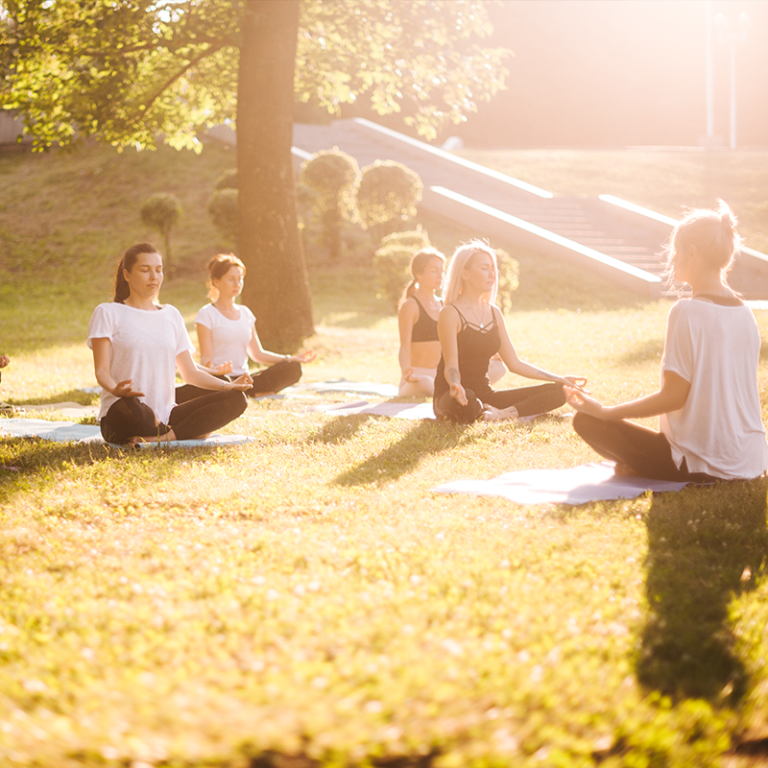
I’ve been watching an interesting (and frankly validating) shift happening in traditional fitness centres. While strength, cardio and performance still have their place, there’s a growing emphasis on wellness, recovery and whole-person health — with organisations like Belgravia Leisure leading the way.
What’s particularly interesting for me is that this shift reflects a direction I was drawn to over 20 years ago, back when I was involved in health club ownership. Even then, it was clear to me that people weren’t just coming to gyms to work harder — they were coming because they wanted to feel better. Today, it’s encouraging to see the broader industry catching up.
Across many centres, we’re now seeing recovery zones, warm-water pools, sauna and contrast therapy, massage, physiotherapy, mobility spaces, and programming that places just as much emphasis on rest, regulation and longevity as it does on effort. This isn’t about doing less — it’s about doing what actually supports sustainable health.
What does this tell us about where the industry is heading?
A different audience (and a bigger one)
Fitness centres are no longer only appealing to the already-fit. They’re increasingly attracting:
- Older adults focused on staying well for longer
- People managing stress, burnout or chronic health issues
- Those returning to movement after illness, injury or long breaks
This shift widens the audience — but it also requires a very different mindset around support, inclusion and pacing.
A change in how value is defined
As wellness and recovery become core offerings, the focus moves away from “cheap access” and towards value-based membership. People are more willing to invest when the promise is about quality of life, not just physical results.
A softer, more human marketing message
We’re also seeing marketing move away from intensity, transformation photos and six-week challenges, and toward language around:
- Energy and vitality
- Stress reduction
- Feeling safe, supported and welcome
- Long-term wellbeing rather than short-term outcomes
This aligns beautifully with what we know from behaviour change science: people engage and stay engaged when they feel understood, not pushed.
Why this matters for coaches
For health and wellness coaches, this shift is significant. It reinforces what many of us have known for a long time:
- Exercise alone doesn’t create wellbeing
- Recovery, choice, context and nervous-system safety matter
- Sustainable change happens when people feel supported, not judged
It also opens up new opportunities — for collaboration, integration and influence — as fitness environments increasingly recognise the value of a coaching approach alongside movement.
For me, this industry shift isn’t just interesting — it’s reassuring. It confirms that the focus on wellness, recovery and the human experience of health was never a detour. It was simply ahead of its time.