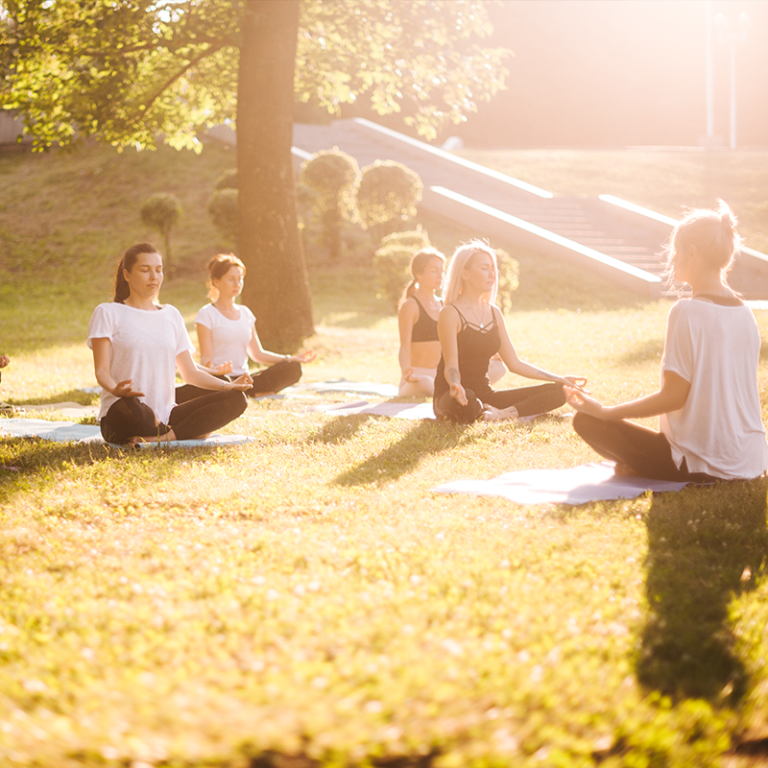
Most of us know that exercise is good for us, yet many people still struggle to get started. We often blame a lack of willpower or discipline, assuming motivation is something we should simply wake up with. But in reality, motivation isn’t an internal switch we flick on — it’s something that grows when we’re in the right environment.
And one of the most powerful environments for building motivation is community.
We’re not meant to do it alone
Humans are wired for connection. We make sense of our lives through relationships, shared experiences, and that comforting sense of belonging. So it’s no surprise that movement becomes easier — and far more enjoyable — when we do it with others.
When we feel part of something, showing up doesn’t feel like such a big deal. We don’t have to rely on willpower alone; instead, we’re carried along by a gentle sense of togetherness.
Parkrun: A global community built on movement
One of the best examples is Parkrun. Every Saturday morning, in countries all over the world, people gather to walk, jog, or run 5km. There are no fees, no expectations, and certainly no judgement. Just groups of people — all ages, all fitness levels — taking part in something simple and shared.
The magic of Parkrun isn’t the 5km. It’s the community. The smiling volunteers, the familiar faces, the encouragement along the way. Even those who start with shaky confidence often find themselves coming back, not because they suddenly love running, but because they feel connected. At the HCANZA conference this year we heard from the Parkrun organisers and it was a great reminder of an initiative that our clients may wish to try.
Finding “your people” makes all the difference
Parkrun isn’t the only way people tap into the power of community. There are so many other ways movement becomes easier when we’re with others:
- Walking groups: relaxed, sociable and wonderfully achievable for most.
- Group exercise classes: routine becomes easier when you know the same people will be there each week.
- Recreational sports teams: for many, the fun and teamwork outweigh the effort.
- Dance or movement classes: joyful, expressive, and perfect for those who don’t resonate with traditional workouts.
- Online communities: a lifeline for rural areas or busy lives — seeing others show up can be incredibly motivating.
- Buddy systems: exercising with just one friend can double someone’s chances of sticking with it.
All these examples share one thing: people feel more supported, more accountable, and more at ease when they move alongside others.
Why community works (the psychology behind it)
There’s a simple reason community has such an impact: it supports the core psychological needs that drive lasting behaviour change.
- Belonging: When we feel included, movement feels safe and inviting.
- Accountability: We’re more likely to follow through when someone else is expecting us.
- Positive emotion: Laughter, shared effort, post-walk coffee — these experiences create enjoyment, not obligation.
- Normalisation: When movement is part of a group’s routine, it stops being a task and becomes part of life.
- Confidence: Small wins feel bigger when someone notices or celebrates them with us.
Motivation doesn’t magically appear before we start. More often, it grows because we start — and because we don’t have to do it alone.
A gentle invitation
If you’ve been wanting to move more, perhaps the question isn’t, “How can I be more motivated?” but “Where could I find my people?”
It might be a local walking group, a community class, a weekly Parkrun, or simply a friend who’s willing to meet you halfway. The right community can make movement feel lighter, more enjoyable, and far more sustainable.
And as we’ve seen time and time again, when people move together, they don’t just exercise — they thrive.