|
At the start of this new year, I thought it appropriate to start with a high level look at what we supporting our clients to achieve – wellbeing. We often focus on this at an individual level as the nature of our work is primarily one on one coaching. However, I had cause to reflect on the factors that influence wellbeing at a societal level and decided to share in a two part article. Finland has once again been ranked the happiest country in the world for the eighth year running. I recently enjoyed a brief visit to this (very cold in December) place, and was intrigued to understand why, and how they earned this enviable position. After all, Finland has long, dark winters. People are known for being fairly reserved. Mental health challenges exist, just as they do everywhere else. So what makes it the “happiest” place on earth? I did some research and found some information that I found extremely interesting and thought-provoking. One of the reasons that nation tops the list lies in something most coaches instinctively understand: happiness is not the same as feeling good all the time. Happiness, as measured, isn’t an emotionThe World Happiness Report isn’t measuring cheerfulness, joy, or how often people smile. It measures life satisfaction— how people evaluate their lives overall. In simple terms, it’s really asking:
Finland offers a very different picture. Wellbeing as strong foundations, not constant positivityFinland ranks so highly because the basics for wellbeing are consistently in place:
Each of these points make this country (and other Scandinavian nations) sit apart from many wealthier western nations. None of the points guarantee happiness in the moment. But they do create a life that feels steady, workable, and fair — and that makes a big difference over time. 1. Deep social trust (this is the big one)Finland has very high trust:
This reduces chronic stress. When you’re not constantly on guard, your nervous system can stay more regulated — something very aligned with what you already know about mental wellbeing and the brain. A famous example: Finns regularly leave prams with sleeping babies outside cafés — and no one worries. 2. Strong social safety net = less background anxietyFinns don’t live in fear of “what if everything goes wrong?” because:
That sense of security allows people to take risks, rest, and recover — all crucial for long-term wellbeing. 3. Modest expectations – contentment cultureFinnish culture values:
There’s even a word for this mindset: “sisu” — quiet resilience and inner strength. People aren’t pressured to look happy; they’re encouraged to live steadily and meaningfully. That lowers comparison and shame. 4. Equality reduces stressFinland has:
When societies are more equal, people experience:
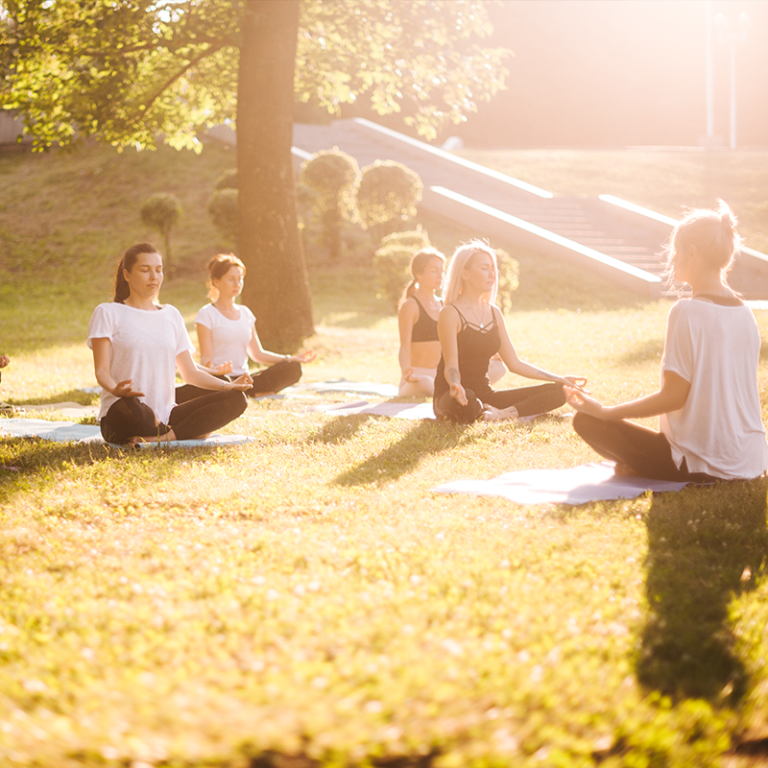
5. Nature is part of daily lifeForests, lakes, and coastline are always close
This has powerful effects on mood, stress hormones, and attention — again, very much aligned with nervous system regulation. 6. Education that supports wellbeing, not pressureFinnish schools emphasise:
Children grow up with psychological safety, which translates into healthier adults. 7. Happiness is not the same as constant pleasureFinns often describe happiness as:
Not excitement. Not euphoria. That’s why Finland ranks high even though:
The paradox, in one sentenceFinland is happiest because life feels solid, fair, and predictable — not because people feel cheerful all the time. How do these factors show up in other country’s assessment of wellbeing? Are there things we can learn on an individual level? Whereas not all of these elements are within our control to change, many are. I particularly loved the mention of a “culture of contentment” where the focus is on having enough, not more. Can we start to become the change our community needs to thrive? |